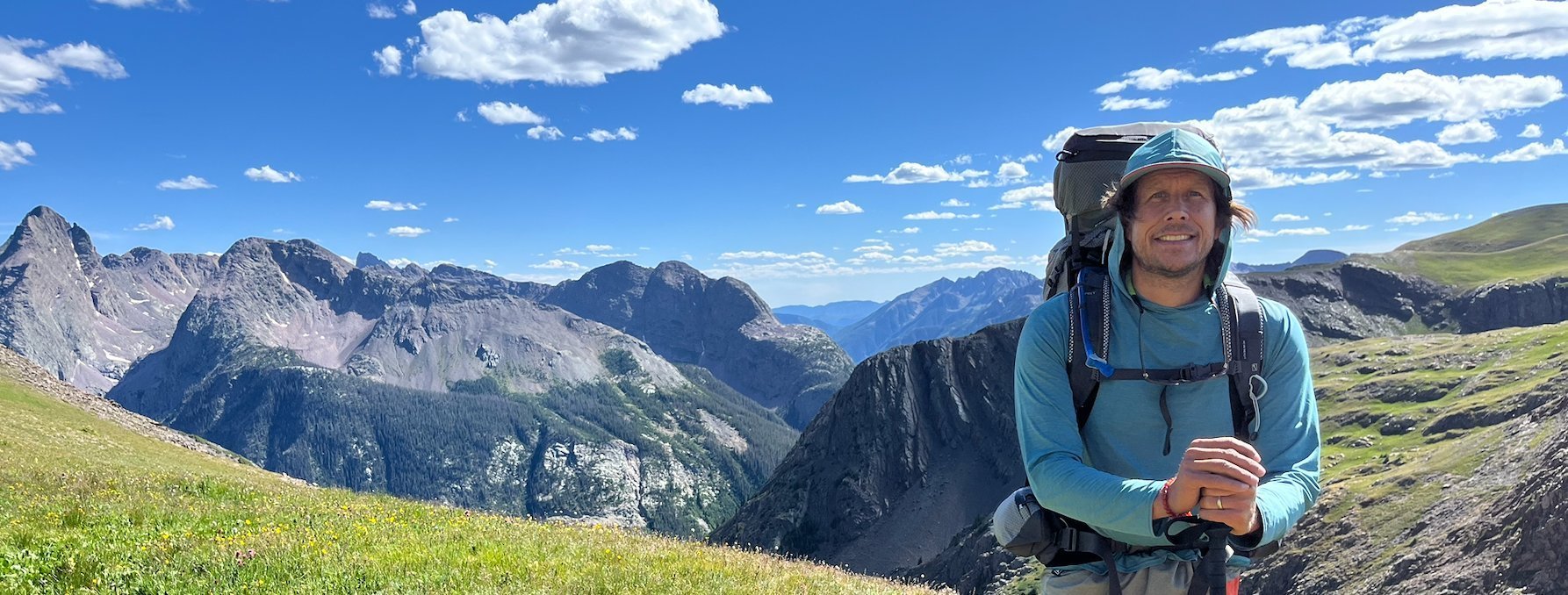
Alpine wildflower meadow in the Colorado Rockies

Beyond Mendel, LLC — Science Education & Health Equity

Most students leave biology class with the wrong idea about how genes work.

Not because their teachers didn’t teach it well. Because the genetics curriculum most people encounter was never designed to tell the complete story — and an incomplete story about genes has consequences that reach far beyond the classroom. It shapes how students understand race, gender, and human potential. It quietly reinforces assumptions that science itself has long since overturned. And it affects real people in real ways. Those consequences reach into human biology in ways that most genetics courses never address.

Beyond Mendel exists to end that problem and to advance the idea that biological knowledge, properly taught, is a form of preventative medicine. It was founded by Brian Donovan, Ph.D. — a genetics education researcher with two decades of experience in education and more than a decade of published research. Brian was the recipient of the 2026 Genetics Society of America’s Elizabeth W. Jones Award for Excellence in Education. When federal funding for his groundbreaking work was cancelled in 2025 by the Department of Government Efficiency, Brian made his research-based curriculum for reducing prejudice through genomics education free. The Science page documents that research in full.

The services of Beyond Mendel are tailored to help new scholars and teachers keep this work alive and take it in new directions. Brian works with schools, universities, health systems, education researchers, and partners who want to redress the history of eugenics because it is still carried in the bodies of people today. If you believe that science education can build a more scientifically literate, socially responsible, and healthy world, then Brian would like to hear from you.

Beyond Mendel is also seeking philanthropic support for future work — a new curriculum for history teachers, biology teachers, school counselors, and school nurses that extends the educational program in genetics that Brian established into the history of eugenics and its downstream consequences for human health across generations. If you are a funder or institution interested in supporting that work, see the Future Work page.

Explore the science →

Find your way around

Mission
The mission and why it matters
The Science
The research behind the curriculum and what it shows
Services
How Beyond Mendel works with schools, researchers, and institutions
About
Who Brian is, where this work came from, and where it's going
Future Work
A new curriculum seeking philanthropic support — extending the Humane Genomics research into eugenics history and downstream health consequences
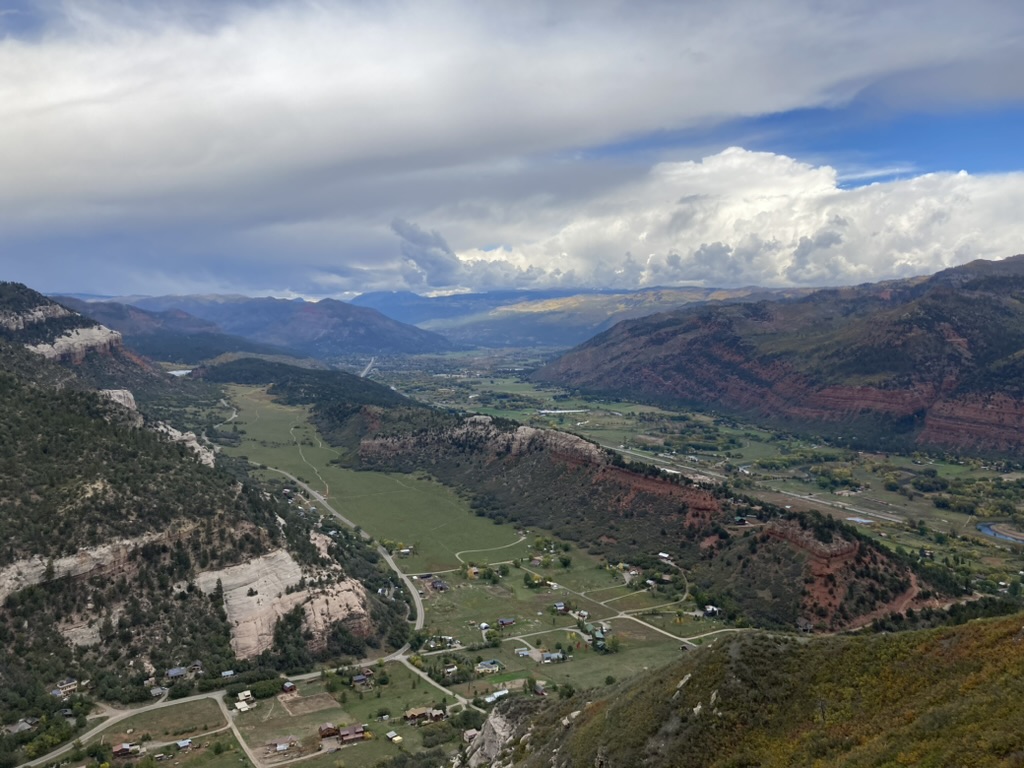
Colorado mountain valley

Where we live, play, and work

Three service lines, each going in a different direction beyond Mendel — past the foundation he built, past the distortion others made of his work, and past the methodological limits of his garden.

Curriculum & instruction
Beyond the Mendelian Foundation

For educators and institutions whose genetics curriculum stops at the basics. Brian reviews existing instruction and advises on how to carry students further — into population genetics, multifactorial inheritance, and the gene-environment covariance that shapes real human variation.

Science communication
Beyond the Mendelian Distortion

For communicators, educators, and creatives whose audiences carry essentialist priors from incomplete genetics education. Brian reviews content and advises on framing that works against those priors rather than accidentally reinforcing them.

Research methods
Beyond the Mendelian Garden

For science education researchers who want their studies to be as rigorous as the questions they are asking. Brian advises on experimental design, preregistration, blinded analysis, and grant ideation — but does not run your study for you.

Beyond Mendel operates on a focused engagement model. Brian will begin accepting inquiries in September 2026. The About page has more on where this work comes from and why Brian does it. Get in touch and he'll respond when he's back.

Get in touch →
Looking out over snow covered Colorado mountains

The work goes where the science goes.

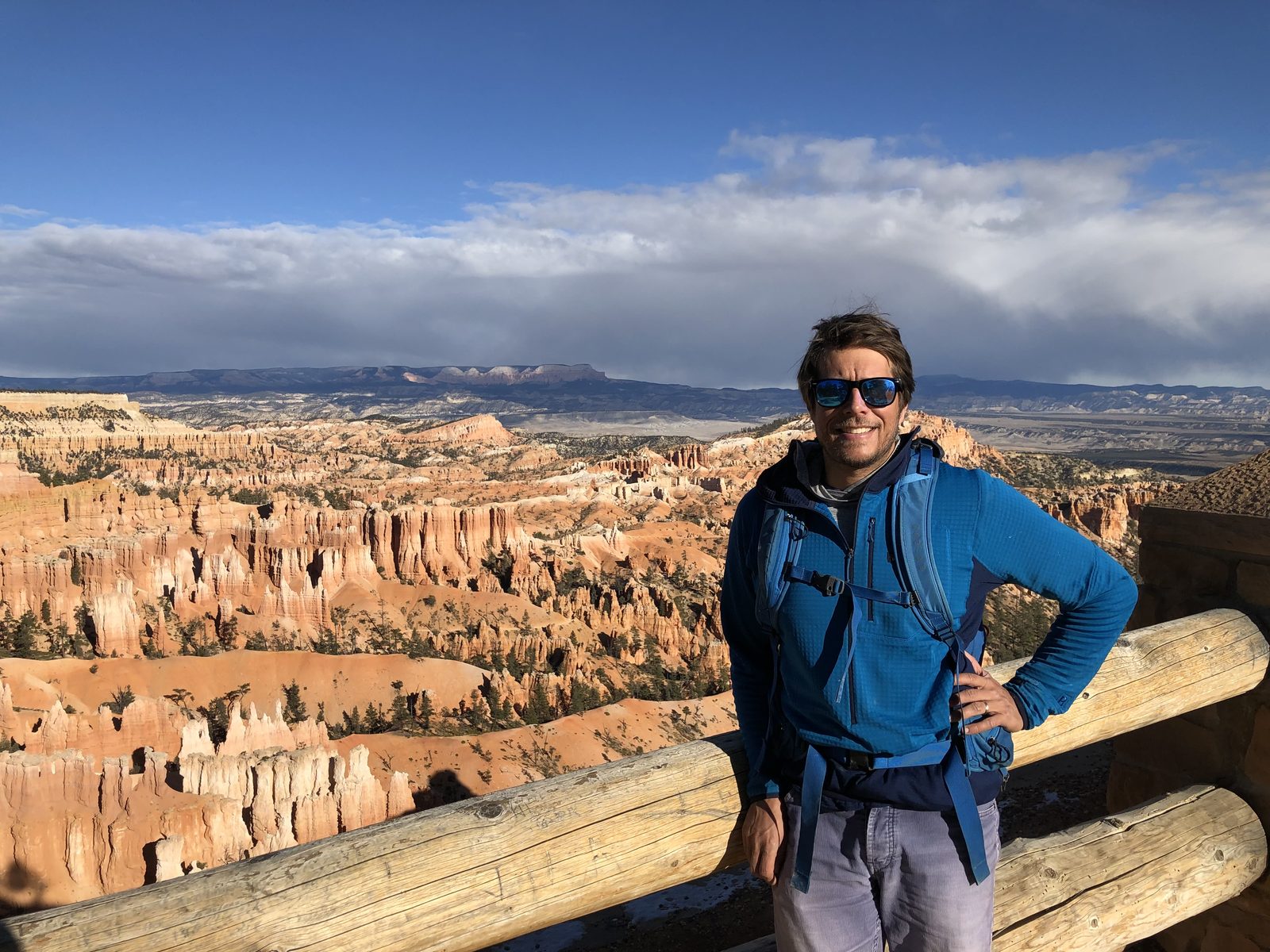
Brian Donovan in the Colorado mountains

About

Brian M. Donovan, Ph.D.

Part biologist, part psychologist, part educator — and founder of Beyond Mendel, LLC. For two decades Brian has worked in education, and for more than a decade he has led some of the most rigorous and consequential genetics education research in the United States — work recognized by the Genetics Society of America, published in Science, and covered by The New York Times, STAT News, and the BBC. It is a mission that outlasted the funding that built it.

Education
Ph.D. Science Education, Stanford
M.Sc. Biology, Stanford
M.A. Teaching, Univ. of San Francisco
B.A. Biology, Colorado College
Based in
Colorado
Founder
Beyond Mendel, LLC
Contact

Skip to CV ↓

The research described on The Science page did not come from nowhere.

My path into this work is personal. My Polish grandparents survived Nazi imprisonment and forced labor camps. They were displaced from their home and married in a refugee camp. My mother was born in that camp, and she spent her early life in this country navigating the assumptions people made about where she came from and what they thought that meant about who she was.

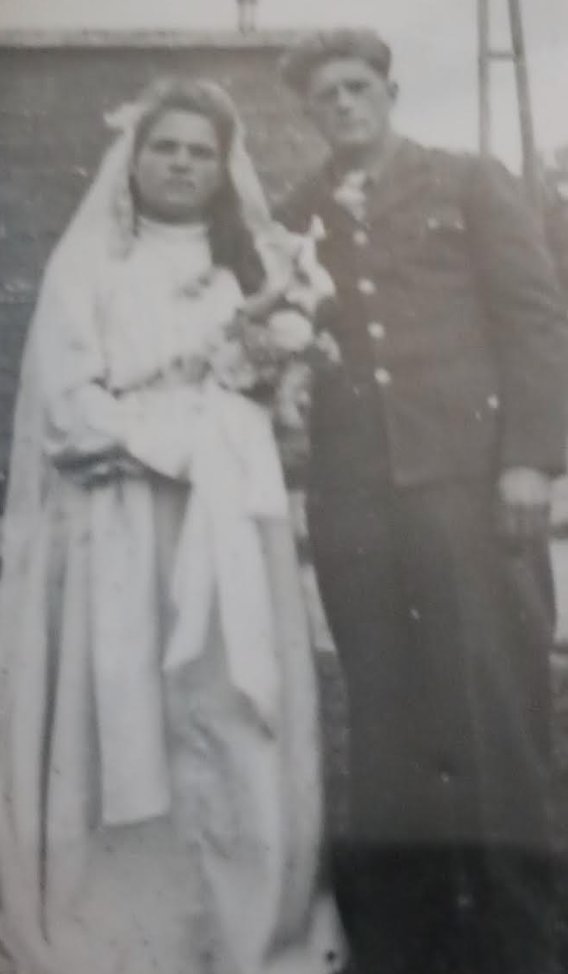
Wiktor and Julia Kulkowski at their wedding in a displaced persons camp, Germany
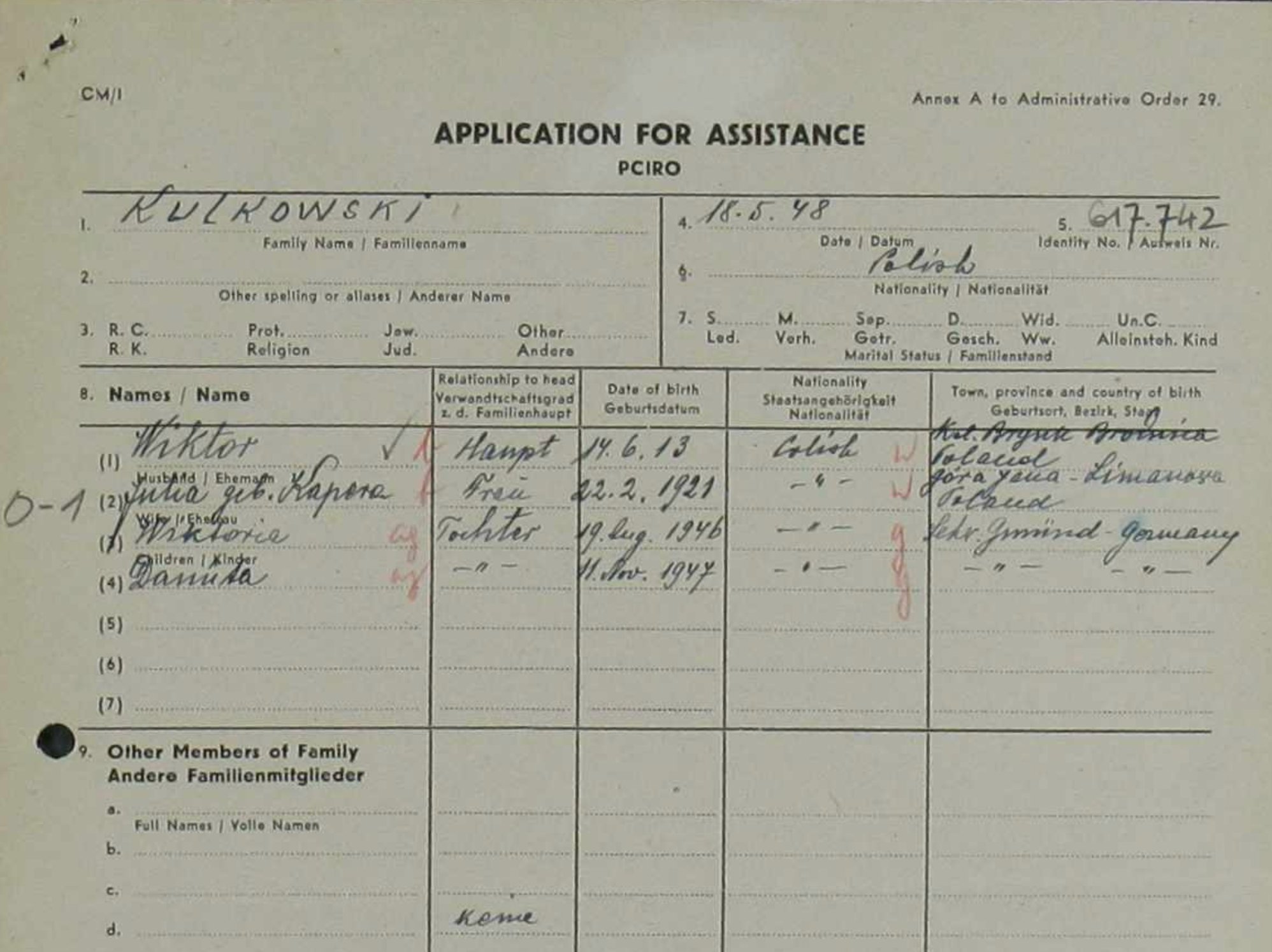
PCIRO Application for Assistance filed by the Kulkowski family, May 1948

Wiktor and Julia Kulkowski, photographed at their wedding in a displaced persons camp, Germany, c. 1947. Their PCIRO Application for Assistance, filed May 18, 1948, lists my mother and my aunt. Document courtesy of the Arolsen Archives.

What happened to my grandparents did not end with them. My grandmother Juliana was kidnapped from her home by the Nazis and spent the war in forced labor camps. Grandpa Wiktor defended Gdańsk at the opening of the war, was captured, and like other POWs, he never fully left the war behind. The violence they survived rippled down through the generations of my family and manifested in my body as complex trauma. That is why refuting genetic essentialism through education is not an abstract culture war fetish to me: I don’t want anyone to live in a society that damages its future generations because of misguided and prejudiced ideas about genetic superiority.

I am white, and I know that raises a question worth addressing directly. Since I did not grow up navigating the daily reality of racism, what motivates me to do this work? Although I haven’t experienced racial discrimination, I am familiar with the reality of racist jokes in white culture. I grew up hearing jokes about how “intellectually inferior” the Poles were. It wasn’t hard to connect the dots and understand how damaging racist jokes about Black Americans were. Jokes like “How do you stop a Polish tank? You shoot the soldiers pushing it.” land a bit differently after you learn how your POW grandfather lost his family, friends, and country after being tortured and starved by the Nazis. Likewise, the joke “Why wasn’t Jesus born in Poland? Because God had a hard time finding three wise men and a virgin” is hard to stomach when your grandmother was kidnapped from her home, forced into labor, and subjected to sexual violence by Nazi soldiers. When you inherit a neurobiology and physiology shaped by that kind of violence, those jokes aren’t so funny.

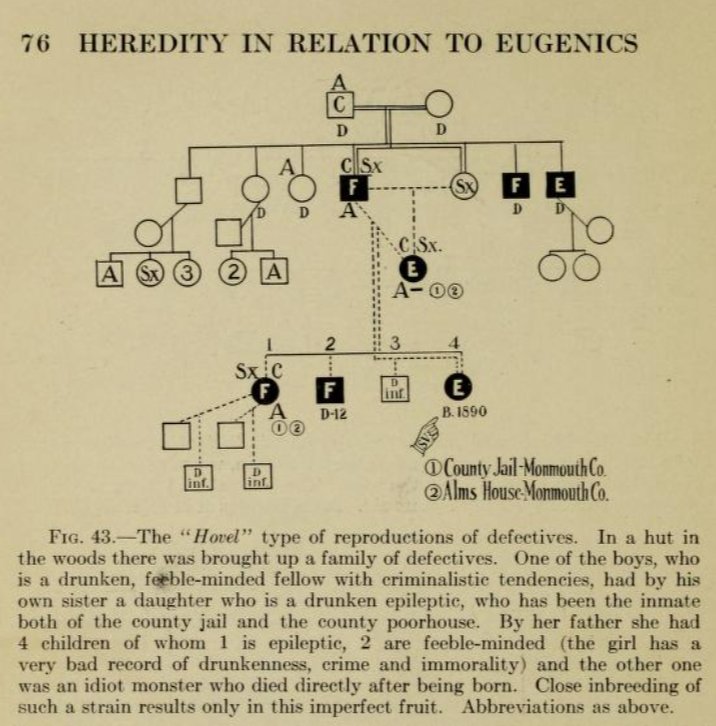
I come to this work not just as an outside observer, but also as someone who understands from the inside what essentialist beliefs do to people across generations when they are used to motivate racialist policies and violence. Because I know how it feels when that kind of history gets embedded in the body, I haven’t been able to ignore the fact that genetics education was complicit in the construction of eugenics. For much of the early and mid-twentieth century the biology curriculum communicated flawed ideas about racial classification and the “inferiority” of genetic “defectives.” The distorted ideas about inheritance that have been communicated to generations of Americans through biology education are the same ideas that have been used to rationalize school segregation, Jim Crow, and hate crimes. That’s why I think genetics education needs to move beyond the eugenic distortion of Mendel’s work.

Who trained me to do this work

+

I began my career in science education as a middle school biology teacher in San Francisco, apprenticed to veteran teachers Christian Ceci-MacGillis and Jason Singleton at The New Teacher Institute. I then joined The San Francisco School as 7/8 Science Teacher, where I learned how to design curriculum to address the history of prejudice in science. Under the guidance of Noah Borrero at the University of San Francisco, I began to do research on this curriculum in my own classrooms as I pursued my Master of Arts in Teaching. The quality of that early work was greatly enhanced by the mentorship I received from Kirsten Daehler and Jennifer Folsom. They mentored me when I worked as a case writer for the WestEd Making Sense of Science Project.

I left K–12 teaching to pursue a Ph.D. in science education at Stanford University under Bryan Brown and Jonathan Osborne. Their research on language and argumentation would profoundly reshape the instruction and curriculum I would spend a decade developing and studying. I also completed a M.Sc. in Biology at Stanford under Noah Rosenberg to learn the human population genetics that exists beyond the usual Mendelian story of biology education. What I learned from Noah became the core scientific storyline of the humane genomics curriculum offered on this website. Along the way, I was deeply influenced by Carol Dweck’s research and mentorship during my dissertation studies. She shaped me into the experimentalist I am today.

Although I never did a formal postdoctoral internship, I consider Gregory Radick, Andrei Cimpian, Jonathan Shemwell, Ann Morning, and Catherine Riegle-Crumb to be the closest thing I have to postdoctoral advisers. Greg taught me how to think about the biology curriculum like a historian. Andrei taught me what world-class cognitive science looks like. Jon taught me how to design instruction for conceptual change. My entire research program is built on Ann’s scholarship. She and Catherine taught me how to think about the biology curriculum like a sociologist.

Yet that program never would have got off the ground and into schools without the collaboration of teachers like Phil Keck, Elizabeth Brimhall, and Paul Strode. Without their initial support, the four unique lines of NSF funding that I secured to explore how to reduce students’ genetic essentialist beliefs would not have materialized. And without the support of my colleagues Monica Weindling and Andy Brubaker — who worked with me at BSCS Science Learning and at the University of Colorado Boulder’s Institute for Behavioral Genetics — this line of work would not have gone as far as it did. They were my co-pilots on the voyage to move genetics education beyond Mendel.

After my NSF grants were cancelled in 2025 and I lost my job as an associate research professor — see the STAT News profile for that story and more on my work — I founded Beyond Mendel, LLC to keep that conviction alive and help others realize it. Beyond Mendel exists to forward the idea that biological knowledge, properly taught, can act like a social form of medicine.

When I am not working, you can usually find me in the ocean, on a river, or somewhere high in the mountains — often with skis, and sometimes with my dogs. These aren’t just hobbies. For me, time in nature and physical movement are part of a deliberate practice of healing that I’ve been building for decades alongside meditation and other therapeutic practices. Each of these practices has documented biological effects on cortisol, immune function, and the stress response system. These practices actively inform my understanding of what recovery from intergenerational trauma looks like in a human body.

That understanding has been deepened by the people closest to me. My wife Anna — a former school counselor and now Program Director of the Women’s Resource Center in Durango — has spent her career working at the intersection of trauma, mental health, and community support. My son Bodi has helped me understand that life is not just about what you inherit, it is more about choosing what to pass forward to the next generation.

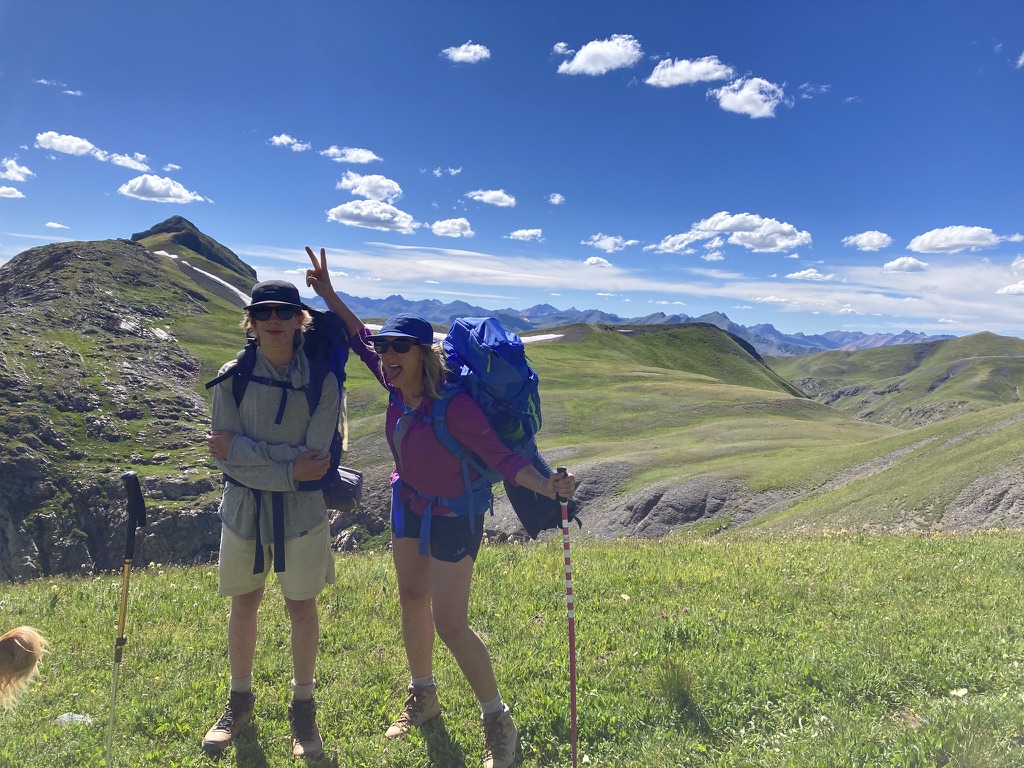
Anna and Bodi at Highland Mary Lakes, San Juan Mountains

Anna and Bodi at Highland Mary Lakes, San Juan Mountains, Colorado.

Brian surfing in the ocean
Brian river surfing on the Animas River
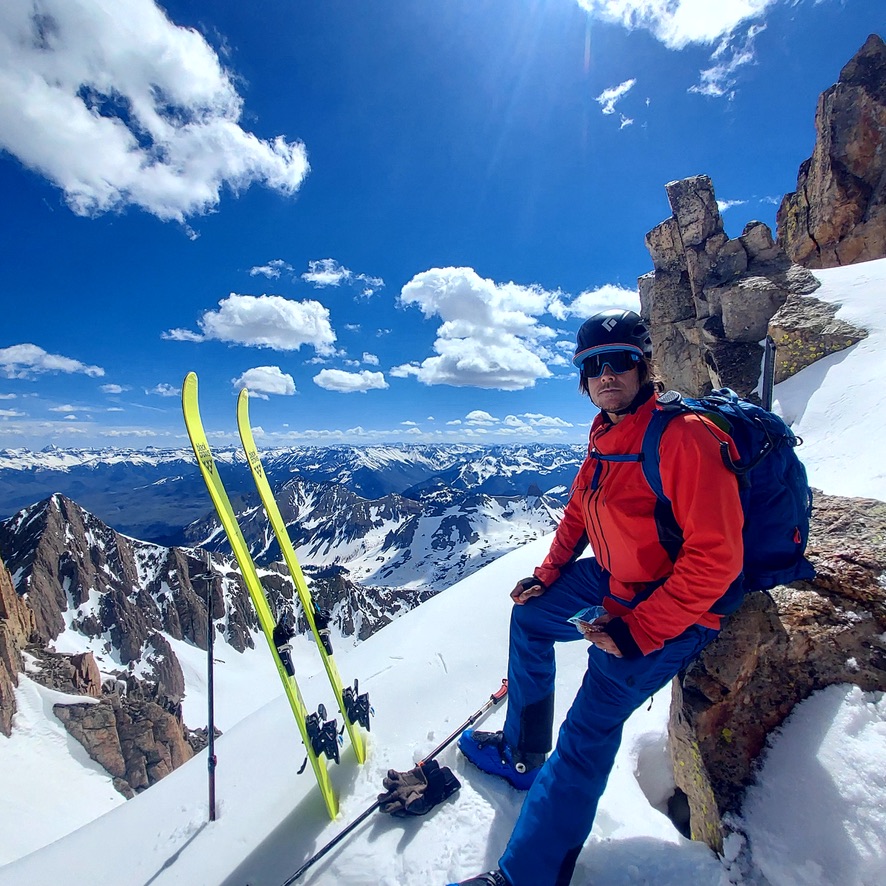
Brian ski mountaineering in the San Juans
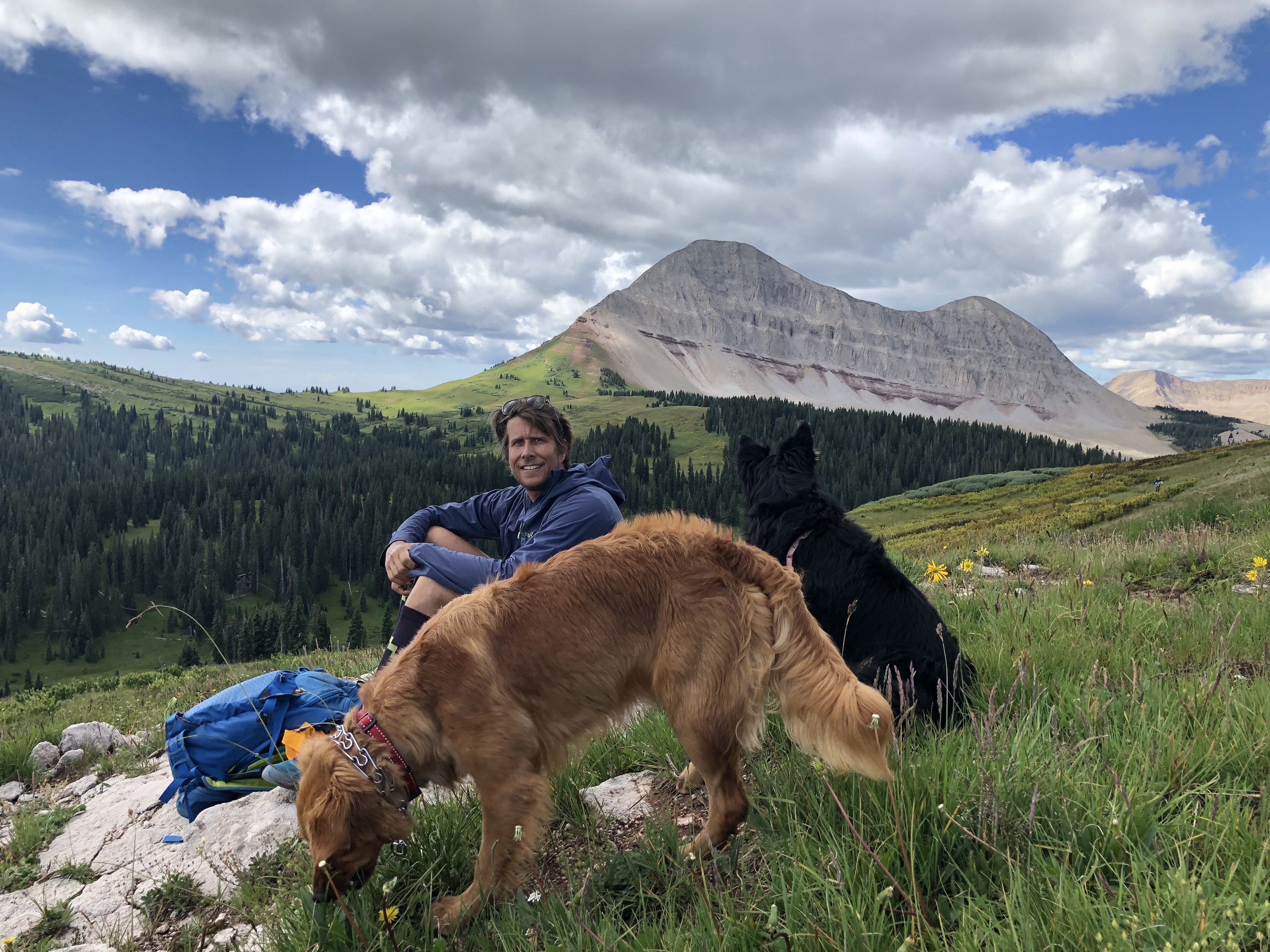
Brian with his dogs in the San Juan Mountains

The second half

What I am choosing to pass forward in the second half of my career looks slightly different than the research and development that defined the first. I am pursuing a BSN with the long-term goal of becoming a family nurse practitioner specializing in the health consequences of chronic allostatic load. Allostatic load is the physiological toll of sustained stress, trauma, and childhood adversity that often ripples down through the generations in families that have experienced genocide, interethnic violence, and discrimination. I’ve lived that biological story, and the next chapter of my career will explore how biology education, human biological variation, time in nature, and meditation interact to influence how people heal from the health consequences of allostatic load.

That work is of the utmost importance because allostatic load is what happens to groups of people who grow up in a society that rationalizes group-based discrimination by distorting genetic concepts. Moving beyond Mendel means addressing the full historical, physiological, neurobiological, and psychological consequences of that distortion. Instruction beyond Mendel is more than just teaching genetics to reduce belief in genetic essentialism. It also means teaching the biology that helps people heal from intergenerational trauma. Beyond Mendel exists to pursue that full arc — in classrooms, in clinical settings, and in the lives of the millions of people trying to understand what the history of eugenics means for their health. See the future work on this webpage if you want to philanthropically support this new line of work.

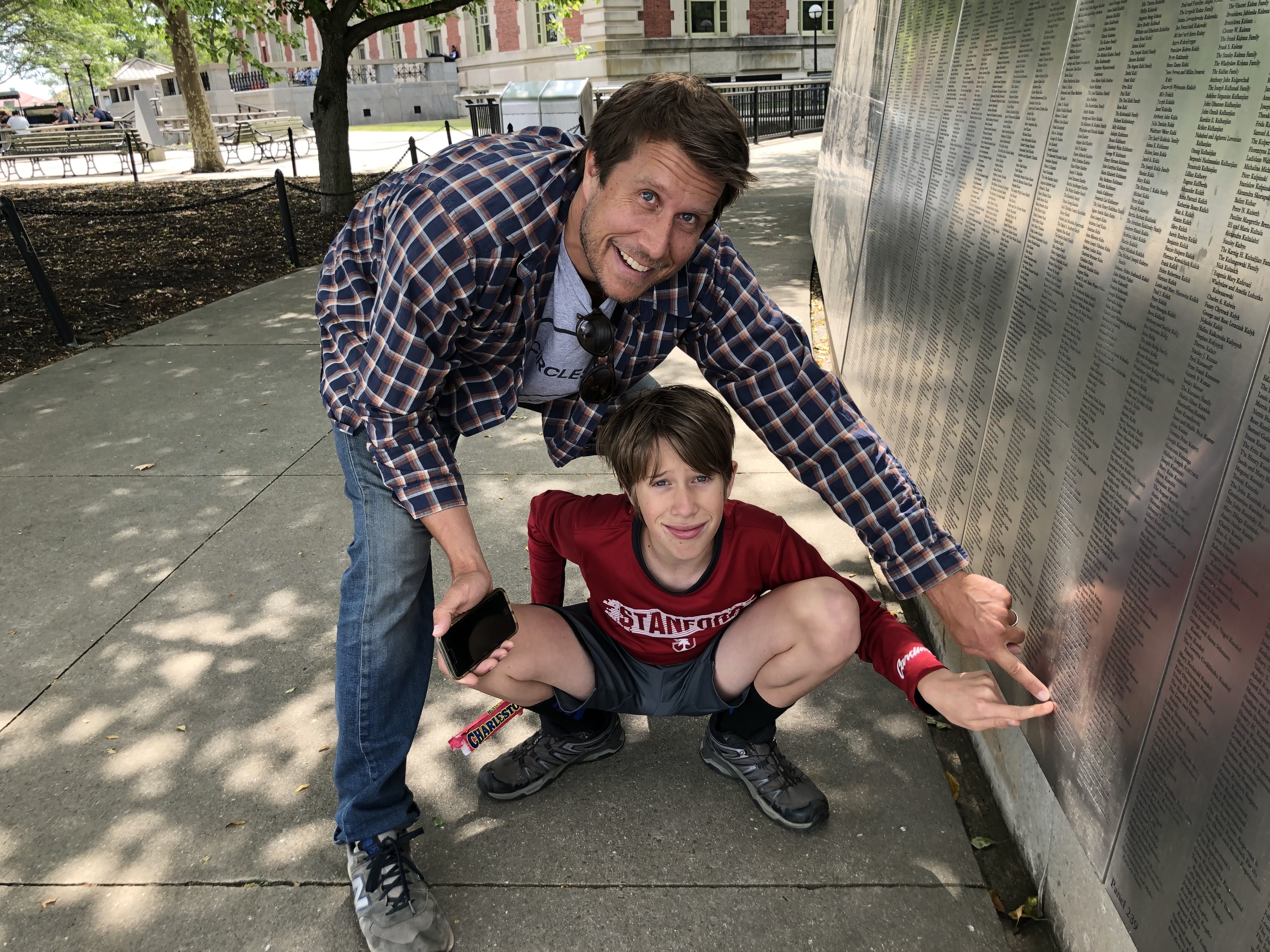
Brian and Bodi at the Ellis Island Wall of Honor, 2023

Brian and Bodi at the Ellis Island Wall of Honor, 2023 — pointing to the name of Brian's mother, who arrived through this port as a child after the war.

Brian M. Donovan, Ph.D.

Full CV available as a PDF download. Publication record on Google Scholar.

Brian's promising research career was cut short in 2025 when DOGE cancelled his NSF grants and ended his position at CU Boulder — as documented in STAT News. This is what fifteen years produced.

Accomplishments over 15 years

published in Science on genetics education and human variation
4 grants
as principal investigator in the first five years after earning his doctorate, totaling approximately $5 million in federal funding
29
peer-reviewed publications — 11 as senior author, 7 as sole author, 11 as contributing author
34
invited talks at universities and scientific institutions worldwide
400+
middle and high school science teachers reached through institutes, workshops, and professional development. Among them: 50+ deeply trained through the forty-hour Humane Genomics Teacher Institute across fifteen states, reaching an estimated 25,000 students
7
junior researchers mentored into doctoral programs, master's programs, or industry positions, including one postdoctoral researcher

Methodology & focus

+

For nearly two decades, Brian has worked at the intersection of genetics education, social cognition, and prejudice reduction, developing and rigorously testing curriculum that helps students understand the true complexity of human genetic variation and its relationship to race and gender. After completing his Ph.D. at Stanford, he served as principal investigator on four NSF-funded collaborative, multi-institution grants totaling over $5 million. This work involved designing large-scale randomized trials and applying advanced statistical methods to demonstrate that genetics education can measurably reduce racial bias and gender essentialism. His work has been recognized by the Genetics Society of America, published in Science, and covered by the New York Times, the BBC, and STAT News. That work was cut short in 2025 when federal funding was cancelled — prompting the founding of Beyond Mendel and the decision to pursue clinical training.

Brian's research integrates social-cognitive learning theories into the study of biology education. Specifically, he works to prevent the development of psychological essentialism — a social-cognitive bias that impedes accurate biological reasoning about race and gender — through the design of learning materials that support scientific argumentation, model-based reasoning, and quantitative reasoning about human genetic variation and multifactorial genetics. Each of his four grants employed qualitative methods, design-based research, and field-based randomized trials and quasi-experiments, all oriented toward reducing prejudice through genetics curriculum and instruction.

Brian consults on randomized trials conducted in field settings, including experimental design, implementation, and statistical analysis. His statistical toolkit spans experimental and quasi-experimental methods, multilevel modeling, causal inference, and advanced biostatistical techniques including survival analysis and propensity score matching. As he transitions into health care, Brian is eager to bring his expertise in science communication into clinical settings — particularly around how health psychology and science education research can inform the way clinicians communicate genetic risk, reduce stigma, and foster patient agency. Moving forward, his research will explore how biology education can serve as an intervention to help people heal from intergenerational trauma, adverse childhood experiences, and their combined impact on health.

Awards & fellowships

+
2026
American Genetic Association
Award established in honor of the educational framework developed in Donovan et al. (2024), Science.
2021
NARST & NSTA · Genomics Literacy Matters
2020
National Association for Research in Science Teaching
2017
NARST & NSTA · Learned Inequality
2014
John Evans Gessford Stanford Interdisciplinary Graduate Fellowship
Stanford University
2009
Herbst Award for Teaching Excellence
San Francisco, K–8 educators

Research & academic positions

+
Associate Research Professor, Genetics Education
Institute for Behavioral Genetics, University of Colorado Boulder
2024–2025
Led randomized trials of multiple versions of the HGL curriculum across more than a dozen states spanning all geographic regions of the US, at levels ranging from middle school through undergraduate. Mentored two Senior Professional Research Assistants into master's degree programs. Position ended when NSF grants were terminated as part of a mass cancellation of science education awards in April 2025.
Senior Research Scientist
BSCS Science Learning, Colorado Springs
2021–2024
Led curriculum development, teacher professional development, and federally funded research in genetics education. Directed the Humane Genomics Teacher Institute — a 40-hour training program for high school biology teachers — and built the research infrastructure for four NSF-funded studies.
Research Scientist
BSCS Science Learning, Colorado Springs
2016–2021
Designed and conducted the foundational randomized trials of the HGL curriculum, secured initial NSF funding, and began building the teacher training and curriculum development infrastructure that would scale across subsequent grants. Mentored one research assistant into a doctoral program, two research assistants into industry research positions, and supervised one postdoctoral associate along with several additional research assistants, curriculum writers, and postdocs affiliated with the lab.
Teaching Assistant & Teaching Fellow
Stanford Teacher Education Program, Stanford Graduate School of Education
2011–2015
Teaching assistant and teaching fellow for the curriculum and instruction in science sequence for pre-service middle and high school science teaching candidates. Served as instructor of record for two courses in the sequence.
Teacher of Record, 7th & 8th Grade Science
The San Francisco School
2006–2011
Five years teaching biology to middle schoolers at a progressive, diverse private institution in San Francisco — the experience that first raised the questions driving more than a decade of subsequent research.
Co-Teacher, 5th–8th Grade Science
The Town School for Boys, San Francisco
2004–2006
Co-taught science to middle school boys under the mentorship of master teachers Christian Ceci-Macgillis and Jason Singleton — the apprenticeship that formed Brian's foundational understanding of what it looks like to teach science well.

Federal grants as principal investigator

+
Collaborative Research: Exploring how the learning of multifactorial genetics affects belief in genetic determinism
NSF #2450245 · $628,832 · 2020–2025
Multi-university collaborative developing computer-based resources for undergraduate genetics instruction.
Collaborative Research: Reducing Racially Biased Beliefs by Fostering a Complex Understanding of Human Genetics Research in High School Students
NSF #2452096 · $1,108,829 · 2021–2025
Four-institution collaborative developing and testing classroom-based resources for high school genetics instruction across multiple states. Trained approximately 40 teachers. Cancelled by DOGE.
Collaborative Research: Exploring how learning about the genetics of sex differences impacts genetic essentialism and STEM belonging
NSF #2450246 · $853,318 · 2020–2025
Three-institution collaborative developing a high school genetics curriculum to reduce science-gender stereotypes. Cancelled by DOGE.
Towards a More Human(e) Genetics Education
NSF #1660985 · $1,299,042 · 2017–2024
Three individually randomized trials and one cluster-randomized crossover trial across diverse populations. Trained approximately 200 teachers. Results published in Science, 2024.

Dollar amounts reflect Brian's institutional share of each collaborative award. Total project funding across all partner institutions is approximately $5 million.

Selected senior author publications

+
Science
Donovan, B. M., Weindling, M., et al. (2024) · Science, 383(6685), 818–822
This paper gave rise to the American Genetic Association's Humane Genomics Education Award
Science
Donovan, B. M., Syed, A., Arnold, S. H., et al. (2024) · Science, 383(6685), 822–825
Human Genetics & Genomics Advances
Wedow, R., Jeong, Y., Thompson, K. N., … Donovan, B. M. (2026) · Human Genetics and Genomics Advances · Preregistered
Behavior Genetics
Malerbi, K. F., Brubaker, A., Weindling, M., … Donovan, B. M., & Wedow, R. (2026) · Behavior Genetics
Human Genetics & Genomics Advances
Donovan, B. M. (2021) · Human Genetics and Genomics Advances, 3(1), 1–13
Journal of Research in Science Teaching
Donovan, B. M., Weindling, M., et al. (2020)
NARST/NSTA Research Worth Reading Award 2021
Science Education
Donovan, B. M., et al. (2019) · Science Education, 103(3), 529–560
Journal of Research in Science Teaching
Donovan, B. M. (2017)
NARST/NSTA Research Worth Reading Award 2017

Full publication record on Google Scholar.

Selected presentations

+

Headliner

Adelphi Genetics Forum

The Royal Society, London · 2022

Watch the talk →
2023
Presidential Address · Society for the Study of Evolution
2023
Department of Psychology · New York University
2023
Biology Department · Duke University
2023
Biology Department · Penn State University
2022
Adelphi Genetics Forum · The Royal Society, London
2022
Konrad Lorenz Institute · Vienna
2022
Department of Human Genetics · University of Chicago
2022
Department of Biology · University of Virginia
2021
Center for Population Biology · UC Davis
2021
Science Education Research Group · Harvard-Smithsonian Center for Astrophysics
2021
Department of Biology · UC Riverside
2020
School of Medicine · University of Utah
2019
Graduate School of Education · UC Berkeley
2019
Department of Biology · UC San Diego
2019
Weizmann Institute · Rehovot, Israel
2019
Department of Education · UC Santa Cruz
2018
Department of Genetics · Harvard Medical School
2015
Graduate School of Education · University of Southern California

Selected media

+

The story of this research reaching the public unfolded in stages. It began with Michael Schulson’s reporting in The Atlantic in 2018, which unpacked Brian’s dissertation findings. Amy Harmon at the New York Times read that piece and then attended a session of the Humane Genomics Teacher Institute in 2019, which was the first group of teachers to receive such training. When the results from the study started to filter in, Brian presented at the Royal Society’s Adelphi Genetics Forum in London in 2022. Adam Rutherford was a guest of honor at that forum and he was concurrently producing the BBC’s Curse of Mendel series, and subsequently invited Brian to participate. The Science paper that summarized this whole story was published in February 2024. The following year, DOGE cancelled the grants — and STAT News documented what was lost and why it mattered.

Brian’s work has also been covered by Education Week, Forbes, Newsweek, The Independent, the Australian Broadcasting Corporation, and other outlets.

The Research

The Science of Moving Genetics Education Beyond Mendel

A research program spanning more than a decade, five randomized trials, and one publication in Science — showing that better genetics education can reduce racial bias.

Advisory services

Three ways to work with Brian

Talks, reviews, and consulting — built on two decades in education and more than a decade of published research. Brian advises; he does not create content for hire. Honoraria and project fees available on request.

Aspen trail in autumn Colorado

Who Brian works with

The research on The Science page was built for the classroom — but its implications reach further. Biology teachers and science departments can use it to redesign instruction that moves students toward a more accurate and humane understanding of human genetic variation. Health systems and clinicians can use it to understand how essentialist beliefs about genetics shape patient outcomes and how education can intervene. Science education researchers can use it as a foundation for their own experimental work. Journalists and filmmakers can use it to tell the story of what genetics education does to public understanding of race, ability, and human difference — and what it could do instead. Brian works with all of these audiences, not as a content provider but as an advisor: someone who has spent more than a decade building the evidence base and who can help you figure out what that evidence means for what you are trying to do. The three service lines below are the structured ways into that conversation.

Three integrated service lines

Beyond Mendel offers three advisory service lines — talks, reviews, and consulting — built on two decades of experience in education and more than a decade of published research in genetics. Each service moves in a different direction beyond Mendel: past the foundation he built and where curricula stop, past the distortion others made of his work to justify eugenic and essentialist ideas, and past the methodological limits of his monastery garden. Brian advises; he does not create content for hire. If you are looking to support new work being built from the ground up, visit the Future Work page.

01
Curriculum & instruction
Beyond the Mendelian Foundation
Helping educators carry students further into the genetics that governs real human lives

Mendel's framework is the logical and necessary starting point for genetics education. Every curriculum should begin there. But most stop there too — leaving students without the scientific tools to reason accurately about population variation, multifactorial traits, or gene-environment covariance. Students who exit genetics instruction without these concepts are not just scientifically incomplete; research shows they are more likely to hold essentialist and deterministic beliefs about race, gender, and human potential. This service helps educators, curriculum developers, and institutions understand what a complete genetics education looks like — and how to build or improve toward it. Brian advises, reviews, and speaks. He does not create curriculum for hire.

+ How Brian can help
02
Science communication
Beyond the Mendelian Distortion
Designing genetics communication that works against the essentialist priors your audience already has

When Mendel's work was rediscovered, it was conscripted into eugenic and essentialist projects that promoted beliefs about racial hierarchy, intellectual inferiority, and genetic destiny. That misappropriation shaped a century of genetics communication, and it shaped the prior knowledge your audience carries today. People don't receive information as blank slates — they construct meaning through existing frameworks, and for most people that framework is essentialist by default, built in a biology class that stopped at Mendel. A journalist, screenwriter, or clinician who gets the science right can still be misread by an audience whose priors pull in the wrong direction. Brian brings the science; you bring the story. His work has reached public audiences through the BBC, the New York Times, and The Atlantic. Brian is also interested in exploring how documentary film and media-based interventions can be designed and tested as tools for shifting essentialist beliefs at scale — and welcomes conversations with filmmakers and producers working at this intersection.

+ How Brian can help
03
Research methods
Beyond the Mendelian Garden
Rigorous by design — helping science education researchers find what is true, not what is hoped for

Greg Radick has shown that Mendel's clean dominant-recessive ratios were partly an artifact of his experimental design. By pure-breeding peas and rearing them in a controlled monastery garden he created a noise-reduction machine that optimized his ability to detect genetic signals by holding environmental complexity constant. Outside of the garden, where environments and genes interact in more complex ways, peas are not wrinkled and round, but vary continuously between these extremes. So, while Mendel's findings were real, they were limited in their external validity because they did not model the entire range of factors influencing inheritance. This is a live methodological problem for field researchers. Many educational innovations grow out of an R&D process implemented in relatively homogenous classrooms. When the educational environment is that controlled, that optimized for signal detection, the data can start to look almost too good. Which is exactly what Ronald Fisher noticed decades after Mendel's work was rediscovered. Mendel's data fit his hypotheses almost too perfectly — not because he cheated, but because someone working in good faith appears to have set aside results that didn't conform. Two gardens, two lessons. External validity fails when your context is too controlled. Internal validity fails when your design has no safeguard against finding what you hoped to find. Science education research is vulnerable to both — and this service provides expert consultation to researchers who want their studies protected against each. It will help you detect the treatment effect of your innovations across different teachers, schools, and student populations using a study designed to find a signal in conditions of maximal noise.

+ How Brian can help

What colleagues say

“One of the reasons he was so successful is he was so conversant with these various literatures and could distill them into ways of talking about race and gender that was legible to high school kids while still being true to the scientific nuance. It’s a unique set of skills I’ve not encountered in one person before.”

Andrei Cimpian, Professor of Psychology, New York University — STAT News, April 2026

“Dr. Brian Donovan is one of the most knowledgeable of the PIs I worked with as a program officer at the National Science Foundation. His research spans STEM education, social cognition, and curriculum development. His theoretical knowledge in relation to cognition and education environments is impressive. He is an excellent research methodologist. Brian is very collegial and has worked very well with his research partners.”

Robert Russell, Program Officer, National Science Foundation — on NSF #2452096, Collaborative Research: Reducing Racially Biased Beliefs by Fostering a Complex Understanding of Human Genetics Research in High School Students (cancelled by DOGE, 2025)

“Brian is amazing. As a science teacher at The San Francisco School, his middle school students magically evolved from disinterested in science to captivated by the subject and motivated to do well. Brian is also a quick and distinguished study when it comes to implementing new curriculum and building on the latest research. His classroom at SFS was infused with best practices: Brian has an uncanny ability to take the best from the pedagogical world and adapt it in a way that both engages and challenges his students. And his work infusing social responsibility into the teaching of science is exemplary.”

Terry Edeli, Head of School, The San Francisco School

“His studies were stunningly impressive.”

Jon Shemwell, Professor of Science Education, University of Alabama — STAT News, April 2026

Beyond Mendel operates on a focused engagement model. Brian takes on a limited number of clients at a time to ensure each receives full attention. His rate is consistent across engagements — talks carry a standard honorarium, reviews and consulting are billed at the same hourly rate.

Services often stack logically. A biology department chair might invite Brian for a talk, which surfaces gaps in scope and sequence, which leads to curriculum review work, which leads to advising on internal evaluation methods for assessing the impact of changes. The conversation at the start of any engagement helps clarify what's actually needed — and whether one service or several is the right fit. Brian prioritizes engagements that have potential for ongoing collaboration over one-time requests.

All talks are offered online. Brian will begin accepting inquiries in September 2026.

brian@beyondmendel.com

The Royal Society, London · Adelphi Genetics Forum · 2022

How genetics education can reduce racial bias

Brian Donovan presents his research at one of the world's most prestigious scientific institutions.

Watch on YouTube →

The Royal Society, London · Adelphi Genetics Forum · 2022 · youtube.com

Press

STAT News
A star scientist showed that better genetics lessons could reduce racism. It was the death knell for his career.
Megan Molteni's in-depth profile of Brian's research program, the cancellation of his NSF grants, and his decision to make the HGL curriculum publicly available.
April 2026 · Megan Molteni
New York Times
Can Biology Class Reduce Racism?
Amy Harmon's feature on the HGL curriculum and the science behind using genetics education to counteract racial bias in American classrooms.
December 2019 · Amy Harmon
Newsweek
US biology textbooks promoting "misguided assumptions" on sex and gender
Coverage of Brian's companion Science paper documenting sex and gender essentialism in high school biology textbooks.
February 2024
The Atlantic
The Dilemma of Teaching Race in High-School Biology
Early coverage of the challenges and stakes of bringing accurate human genetics into American secondary classrooms.
September 2018

BBC Radio

BBC Radio
The Curse of Mendel
Brian features in this BBC audio series examining how the legacy of Mendelian genetics has shaped — and sometimes distorted — public understanding of human heredity, race, and biological difference.
2022 · BBC Radio
Alpine meadow in the Colorado Rockies

Future Work

Supporting School Professionals to Address the Health Consequences of the Eugenic Appropriation of Mendel's Work

Brian sitting on skis looking out over snow covered Colorado mountains

Within decades, Gregor Mendel’s work was conscripted into a century of eugenic policy, racial science, and state-sponsored violence — Nazi genocide, American Jim Crow, forced sterilization programs, and the quieter but no less real mechanisms of institutional racism that followed. The beliefs that rationalized that violence — that human groups are genetically uniform, discretely different from one another, and destined by their genes — were rooted in a distortion of Mendel’s work, not in what Mendel actually found. The violence is the subject of any good US history class. But the consequences for human health are rarely taught in school biology courses.

This work builds on a research program recognized by the Genetics Society of America and the American Genetic Association, and published in Science — the empirical foundation for everything proposed here.

Research on Holocaust survivors, descendants of enslaved Americans, and communities subjected to chronic racial threat has documented lasting physiological and psychological effects that move through families long after the original violence ends. Psychologically, it manifests as complex PTSD — hypervigilance, dysregulated stress response, difficulty with safety and trust — passed through the rearing environment from parent to child. Neurobiologically, chronic threat exposure during development reshapes the architecture of the brain and nervous system. Physiologically, a life spent scanning for threat weathers the immune and cardiovascular systems — producing the chronic allostatic load that accumulates into immune system problems, chronic disease, and a shortened life.

The eugenic distortion of Mendel’s work has rippled through these layers of human biology for a century and yet the biology curriculum does not tell this story. However, schools were a primary venue for the enactment of eugenic ideology in the early twentieth century. Students were taught hereditarian science as accepted fact, and children were tracked and sorted through intelligence tests developed by eugenicists to identify the purportedly “fit” and “unfit.” Given this history, school professionals are now among those best positioned to address what that history left behind in the bodies of impacted people.

The Humane Genomics curriculum that Brian created and studied in the first half of his career addressed the mechanisms that reproduce essentialist beliefs through genetics education. The work described here addresses what those beliefs have done — and continue to do — to human bodies across generations. This is the unfinished work. Beyond Mendel is seeking philanthropic support to complete it. Everything produced will be released as open-access material, freely available on this site.

Complete the curricular vision

Beyond Mendel proposes two new open-access online curriculum units — designed for history teachers, biology teachers, school counselors, and school nurses — with the goal of creating a professional learning community within each school composed of all four roles. Professional learning community materials will accompany both units so that school professionals can implement them collaboratively as instructional leaders. All materials will be hosted directly on this site, freely available without cost or permission, and developed using the same iterative empirical methods that produced the HGL curriculum now proven to reduce racial bias.

Unit 1 — Humane Genomics Online

The existing Humane Genomics Literacy curriculum (CC-BY-NC-ND) — developed through Brian's NSF-funded research and described in detail on The Science page — will be converted into an online, openly disseminable module for professional learners. The HGL curriculum was designed for high school students; this conversion adapts the framing and content for adult professional audiences who will teach and apply it in their school roles. It provides the population genetics foundation that makes everything in Unit 2 legible: what Mendel actually showed, what his framework leaves out, and why the gap between the two matters for human health and human dignity.

Unit 2 — The Downstream Consequences of Eugenics

Six related lessons that trace the path from Mendel's distortion to its consequences in human bodies — and back toward healing. Each lesson runs 90 minutes to two hours and builds on the previous one as part of a coherent sequence. Full lesson descriptions, instructional frameworks, scaffolding, and belief change frameworks are available to serious funders and collaborators on request.

Lesson 1
The History of Eugenics
+

How Mendel's work was conscripted into eugenic ideology, how that ideology became policy in the United States — forced sterilization, immigration restriction, Jim Crow — and genocide in Nazi Germany, and how it caused documented harm to the bodies and communities of African Americans, Jews, Roma, Poles, and others targeted by eugenic violence.

Lesson 2
The Psychology of Survival
+

Full description, instructional framework, scaffolding, and belief change framework available to serious funders and collaborators on request.

Lesson 3
The Neurobiology of Threat
+

Full description, instructional framework, scaffolding, and belief change framework available to serious funders and collaborators on request.

Lesson 4
The Physiology of Weathering
+

Full description, instructional framework, scaffolding, and belief change framework available to serious funders and collaborators on request.

Lesson 5
Epigenetics and Intergenerational Transmission
+

Full description, instructional framework, scaffolding, and belief change framework available to serious funders and collaborators on request.

Lesson 6
The Biology of Healing
+

The Biology of Healing draws on the same practices Brian has built his own recovery around. Exercise in nature, meditation, yoga, music-making, dance, and social bonding can serve as biological interventions with documented effects on the stress response, immune function, and neurological architecture that chronic adversity reshapes. This lesson teaches the science of why they work — and gives school professionals a framework for understanding and supporting the healing practices their highest-need students may already be reaching for.

The biological mechanisms behind each of these practices — including their effects on cortisol, inflammatory cytokines, natural killer cell activity, and immune function — are documented in peer-reviewed literature: music and immunity, yoga and psychoneuroimmunology, mindfulness and immune function, exercise and immune health, nature exposure and immune response, and social bonding and physiological health.

Estimated cost: $800,000–$850,000 over three years, covering 50% FTE for Brian and two curriculum writers/research assistants, scientific advisor review ($20,000), and piloting and qualitative design research ($50,000).

Natural funders: Health equity foundations, racial justice funders, history and science education foundations, nursing and medical education organizations, HRSA.

Where this leads

The curriculum will serve as the foundation for a program of school-based randomized research examining how this education affects the professional behavior of history teachers, biology teachers, school counselors, and school nurses — and through them, the health outcomes and beliefs of the students they serve. Brian is in early conversations with school districts, nursing programs, and research institutions about partnership opportunities for this work. The full research design is available to serious collaborators on request.

Current priorities

Beyond Mendel is currently seeking philanthropic support for the curricular vision described above — approximately $800,000–$850,000 over three years.

The NSF grant cancellations that ended his prior work did not only affect him. They put an entire research team out of work mid-study as documented in the STAT News profile. Philanthropic support for this future work is also support for rebuilding that team to continue the hard work of moving education beyond Mendel. If that work matters to you, Brian would like to hear from you.

Conversations with potential funders and collaborators are welcome. Brian would like to hear from anyone who wants to be part of this work from the beginning.

brian@beyondmendel.com

All curriculum frameworks and research designs described on this page are the intellectual property of Beyond Mendel, LLC. © 2026 Brian M. Donovan, Ph.D.

Alpine meadow panoramic